-
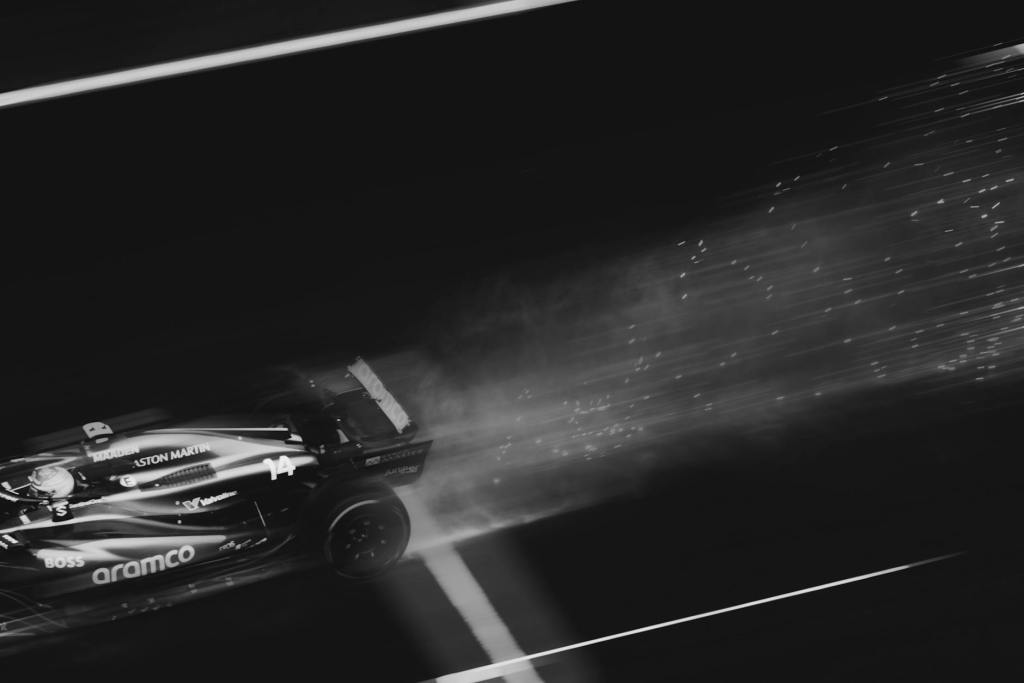 Continue reading →: How the DRS System Helps Drivers Overtake in Formula 1?
Overtaking in Formula 1 is not as easy as it looks. When two cars are racing at speeds over 300 km/h, the air around them becomes a huge factor. The car behind often struggles to catch the car in front because of something called aerodynamic drag. To make racing more…
-
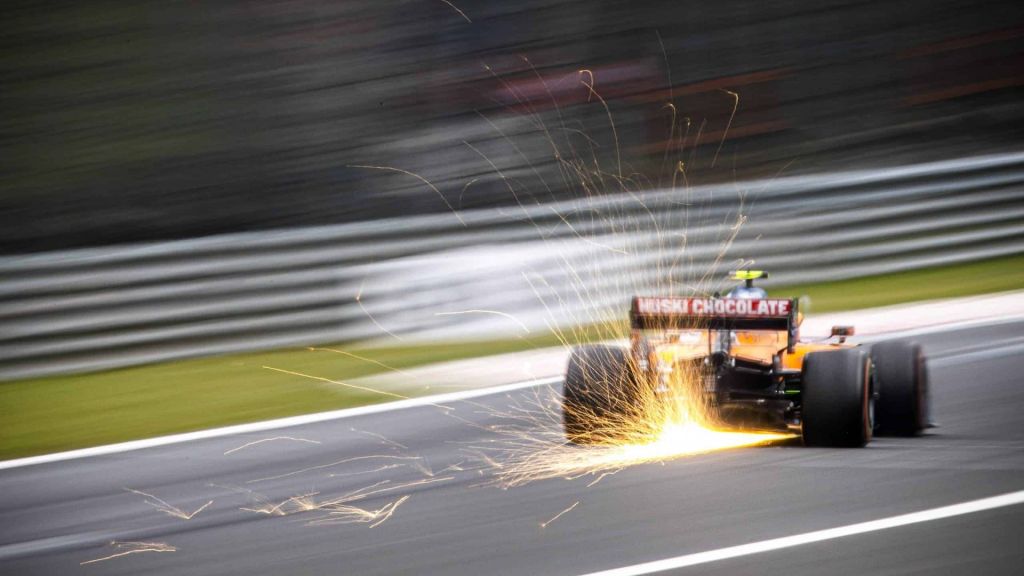 Continue reading →: Why Formula 1 Cars Sit So Low to the Ground?
If you’ve ever seen a Formula 1 car up close (or even on TV), one thing is immediately obvious — it sits incredibly close to the ground. In fact, it almost looks like the car is glued to the track. This isn’t just for looks. The low ride height of…
-
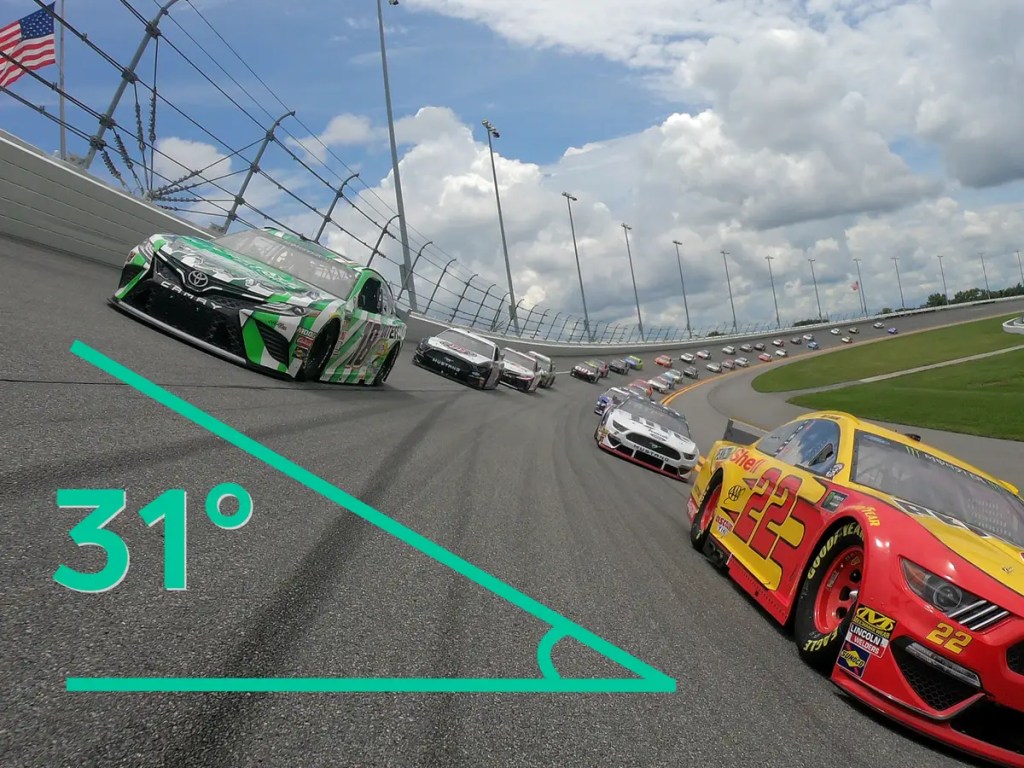 Continue reading →: The Engineering Behind Curved Roads and Banked Tracks
The Engineering Behind Curved Roads and Banked Tracks Have you ever noticed that sharp roads, racetracks, and even highways are slightly tilted instead of being perfectly flat? At first glance, it might seem like a small design detail — but in reality, banked curves are a brilliant piece of engineering…
-
 Continue reading →: How Airplane Wings Inspired F1 Spoilers?
When we think of Formula 1 cars, the first thing that comes to mind is speed — these machines can reach over 350 km/h, slicing through air like bullets. But here’s the fun twist: the same science that keeps airplanes flying high also helps F1 cars stick firmly to the…
-
 Continue reading →: How Do Submarines Work? Engineering Under the Sea
Submarines are some of the most extraordinary machines ever built — designed to dive deep below the ocean’s surface, survive crushing pressures, and move silently through complete darkness. But how do these massive metal vessels manage to sink, float, and travel underwater for weeks at a time?The answer lies in…
-
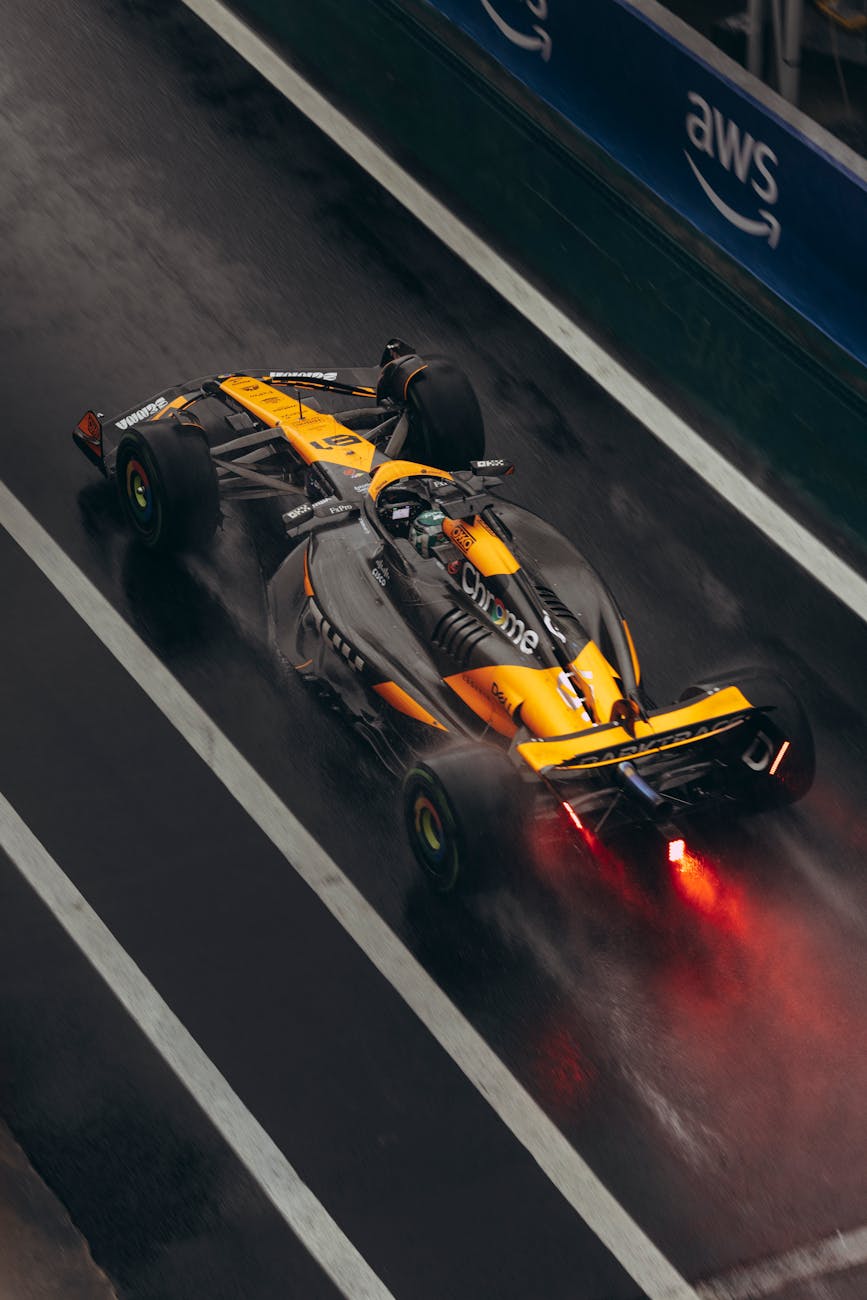 Continue reading →: The Future of Formula 1 Engineering: AI, 3D Printing, and Simulation
Formula 1 isn’t just a sport — it’s an engineering battlefield. Every tenth of a second gained on the track is the result of thousands of hours of design, simulation, and testing. But as the competition gets tighter and sustainability becomes key, the way F1 teams build cars is evolving…
-
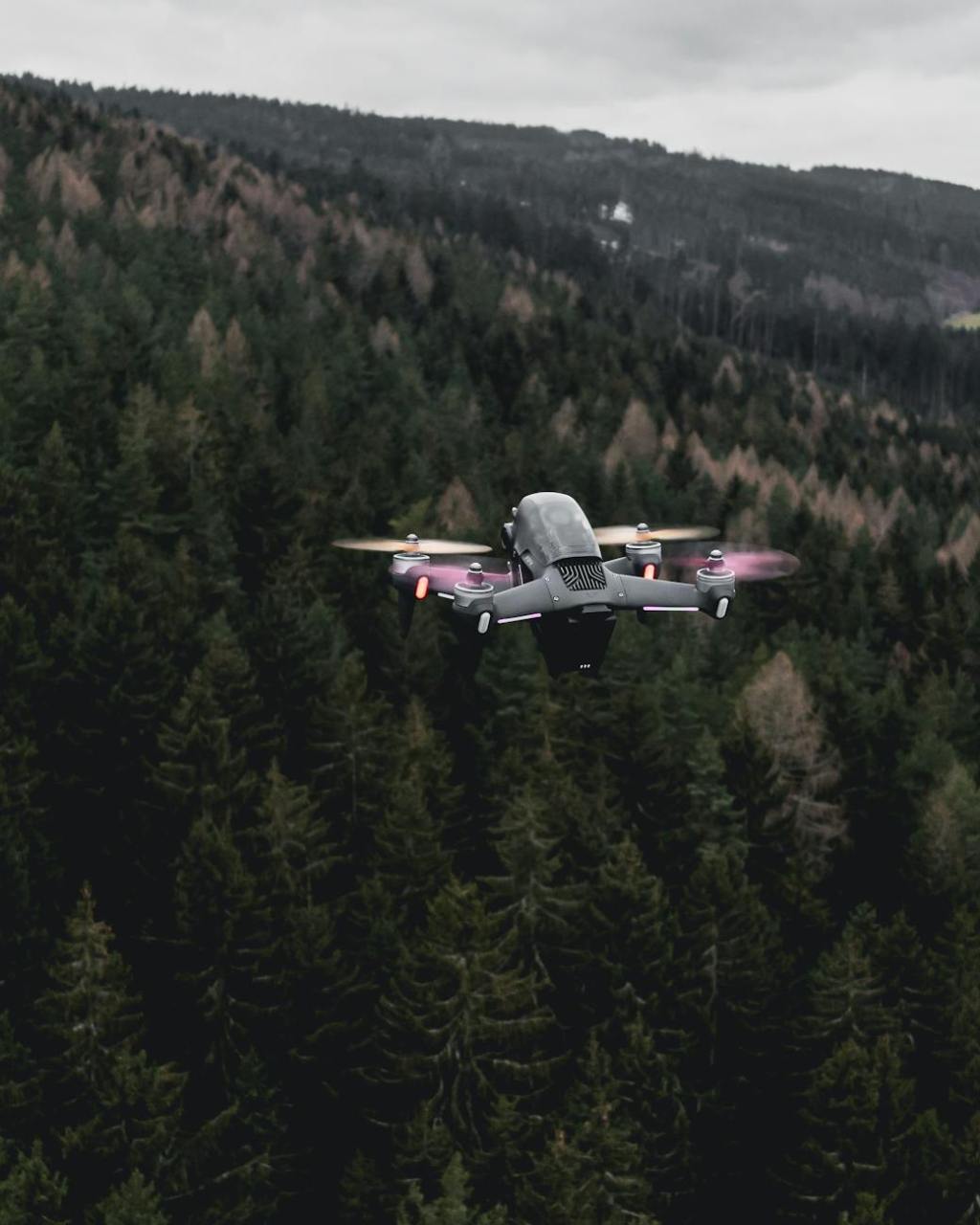 Continue reading →: The World of Drones: Basics and Applications
Not long ago, drones were futuristic gadgets seen only in movies. Today, they’re everywhere — from capturing cinematic videos to delivering packages and helping farmers monitor crops. But what exactly are drones, and how do they work?Let’s explore the fascinating world of drones — how they fly, how they stay…
-
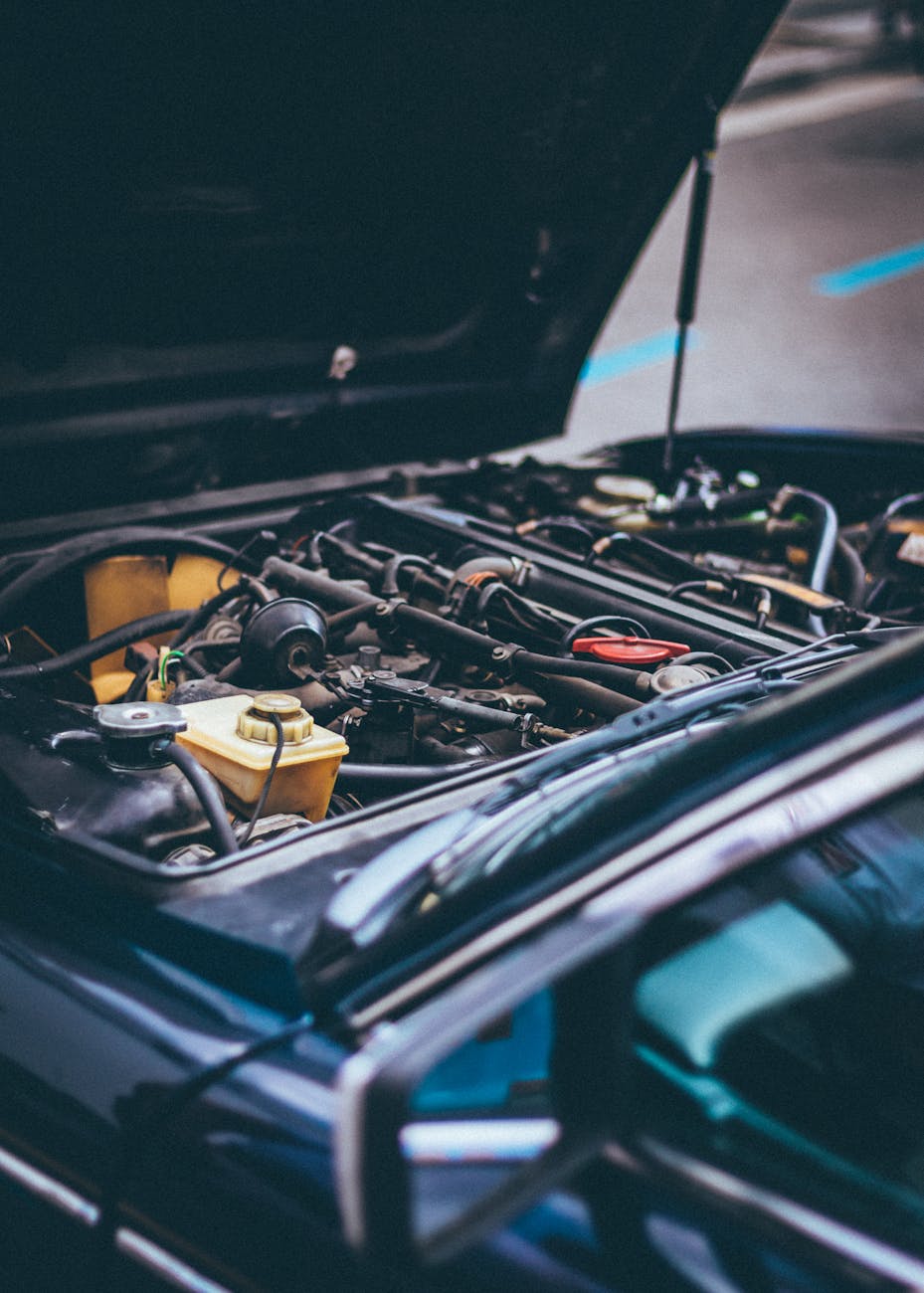 Continue reading →: How Cars Convert Fuel into Motion?
Every time you press the accelerator, your car turns a small burst of fuel into enough energy to move over a ton of metal — smoothly and efficiently. But how exactly does that happen?How does gasoline or diesel turn into the spinning motion that drives the wheels? Let’s take a…
-
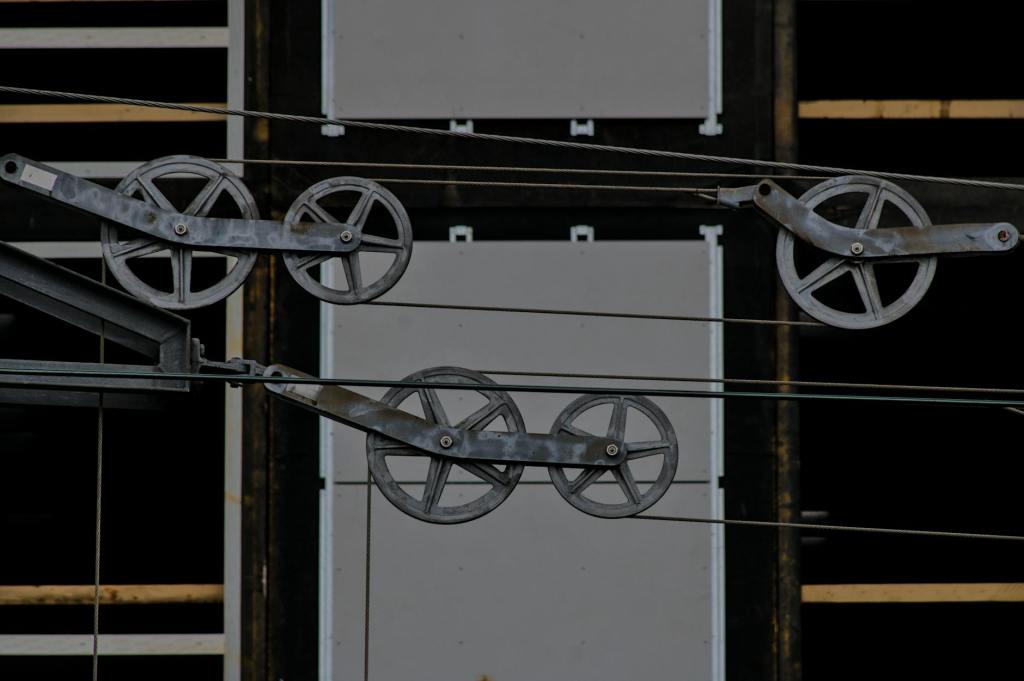 Continue reading →: Top 5 Simple Machines That Changed History
Before engines, circuits, and computers — there were simple machines.These are the basic building blocks of all mechanical systems, created thousands of years ago to make work easier. From lifting pyramids to driving modern cranes, simple machines transformed how humans built, moved, and created. Let’s look at the Top 5…
-
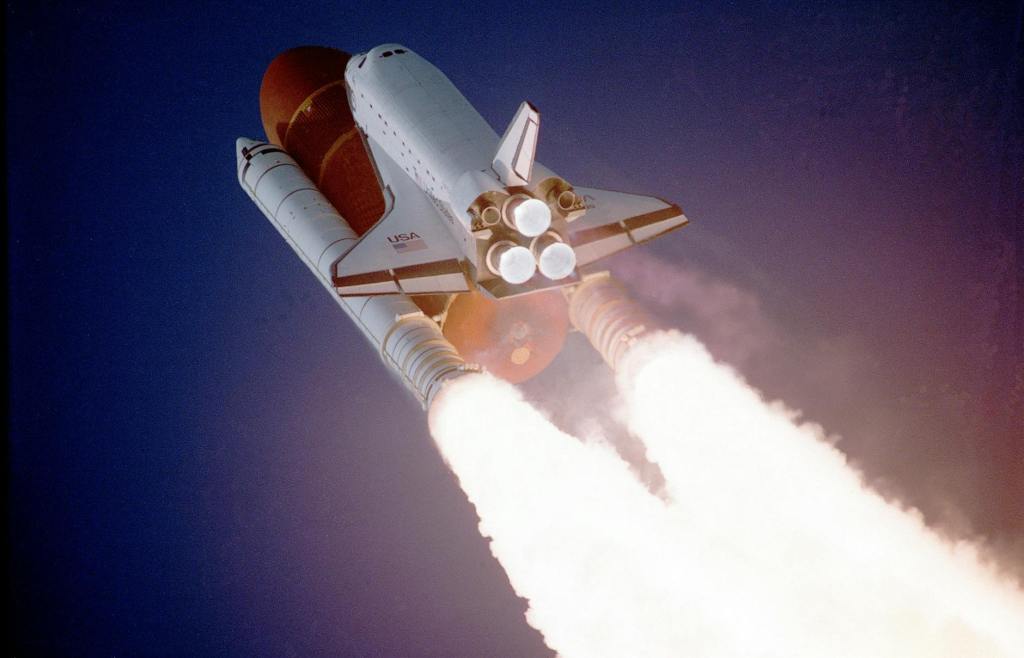 Continue reading →: Understanding Rocket Propulsion with Simple Physics
Rockets are some of the most powerful machines ever built — able to lift thousands of tons off the ground and send spacecraft into orbit. But at their core, rockets work because of one simple law of physics that you probably learned in school: Every action has an equal and…
Hello,
I’m Aarav

Welcome to GearUpEngineering, a space where I bring my passion for mechanical and aerospace engineering to life. Through simple explanations and inspiring insights, I aim to make engineering both understandable and exciting. Let’s gear up to learn something new!

